
Opioid addiction treatment in South Florida combines medical support, behavioral therapy, and structured programming to help adults stop using opioids safely and build a foundation for long-term recovery. Treatment is not a single event; it is a process that addresses both the physical dependence and the underlying patterns that sustain it.
HELP AVAILABLE 24/7 - CALL NOW
Opioid Addiction Treatment in Florida

Addiction
Opioid Addiction Treatment in Florida
Crystal Lake Healing, located in South Florida, is committed to helping adults recover from opioid use disorder through PHP and IOP programming, including for those managing co-occurring mental health conditions. For adults who are ready to engage in structured care, addiction treatment at Crystal Lake Healing is designed to meet people at different points in their recovery.
Evidence-Based Care for Adults with Opioid Use Disorder
Opioid use disorder responds well to treatment that combines medication, therapy, and peer support. Adults who receive structured, evidence-based care may be more likely to remain in treatment and less likely to relapse than those who attempt to stop without clinical support.
Crystal Lake Healing’s programs are built around individualized treatment planning, meaning no two clients follow the exact same path. Our dual diagnosis focus means that when anxiety, depression, trauma, or another mental health condition is present alongside opioid use disorder, both are addressed together rather than separately.
What Are Opioids?
Opioids include both prescription medications and illicit substances that bind to opioid receptors in the central nervous system. Common prescription opioids include oxycodone, hydrocodone, morphine, and fentanyl. According to the CDC’s 2024 drug overdose data, synthetic opioids, primarily illicit fentanyl, were involved in the majority of overdose deaths in the United States.
Opioids reduce the perception of pain and trigger a release of dopamine, which reinforces repeated use. Over time, the brain adjusts to the presence of the drug, requiring more of it to produce the same effect, a process known as tolerance.
How Are Opioids Different From Opiates?
Opiates refer specifically to substances derived directly from the opium poppy plant, such as morphine and codeine. Opioids is the broader term that includes both natural opiates and synthetic or semi-synthetic compounds like fentanyl and oxycodone. In clinical and public health settings, “opioid” is now the standard term used to describe the full category.
The distinction matters less in treatment than the substance itself and the pattern of use. Whether someone is using a natural or synthetic compound, the neurological effects and the treatment approach are largely the same.
What Are the Signs of Opioid Addiction?
Opioid use disorder is diagnosed when a pattern of use causes significant impairment or distress. According to the DSM-5 criteria referenced by NIDA, clinicians look for a cluster of behavioral, physical, and psychological signs rather than any single symptom.
Common signs include:
- Using more opioids than intended, or for longer than planned
- Continued use despite negative consequences at work, home, or in relationships
- Strong cravings or urges to use
- Withdrawal symptoms when not using
- Giving up activities that were previously important
- Spending significant time obtaining, using, or recovering from opioids
A formal diagnosis requires a clinical assessment by a licensed professional.
What Are the Short- And Long-Term Effects of Opioid Use?
Short-term effects of opioid use include pain relief, sedation, slowed breathing, nausea, and a sense of euphoria. At higher doses, opioids can suppress breathing to a dangerous degree, which is the primary mechanism of overdose. The CDC estimates that over 50,000 opioid-involved overdose deaths occurred in the United States in 2024.
Long-term effects include physical dependence, hormonal disruption, increased sensitivity to pain, cognitive changes, and significant disruption to relationships and daily functioning. Chronic use also alters the brain’s reward system in ways that make it harder to feel pleasure from ordinary activities, which is one reason stopping without support is so difficult.
What Happens in Treatment Each Day?
A structured treatment day at Crystal Lake Healing typically includes individual therapy, group sessions, psychiatric check-ins when needed, and time for skill-building activities. The specific schedule varies by level of care, but the goal is consistent: to build the clinical and personal tools needed to sustain recovery outside of a treatment setting.
At Crystal Lake Healing, treatment is built with the client rather than delivered to them. Our clinical team works collaboratively with each person to identify what is driving their use and what kind of support will be most effective.
Our Opioid Addiction Treatment Programs
Evidence-based treatment for opioid use disorder typically includes a combination of medication-assisted treatment (MAT), behavioral therapies, and peer support. According to the National Institute on Drug Abuse, FDA-approved medications for opioid use disorder, including methadone, buprenorphine, and naltrexone, are effective treatments that help people reduce or stop opioid use. Methadone and buprenorphine in particular have been shown to lower the risk of overdose death.
At Crystal Lake Healing, treatment begins with a comprehensive clinical assessment. Our team uses this assessment to recommend the level of care that fits each person’s needs, and clients can move between levels as they build stability in recovery.
Residential Treatment for Opioid Addiction
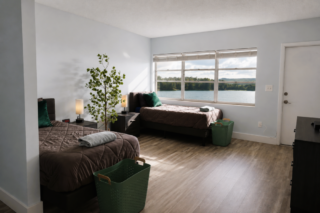
Our inpatient residential program offers a structured setting where clients live on-site and have 24-hour access to support. Residential programming may include individual therapy, group therapy, family therapy, and medication management, giving clients time to focus fully on recovery before returning to daily life.
For many people, residential care follows medical detox, which helps manage opioid withdrawal safely.
Outpatient Treatment Options
For clients who have completed residential care or need a less intensive level of support, our partial hospitalization program (PHP) provides structured day treatment while allowing clients to return home or to supportive housing in the evenings. PHPs continue core services such as individual and group therapy, making it a strong step-down option as clients transition back to work, family, and community life.
For those seeking a lower level of care, an intensive outpatient program (IOP) serves as a step down from our PHP.
Evidence-Based Therapies
Behavioral therapies are a core part of opioid addiction treatment at Crystal Lake Healing. Our clinical team uses approaches such as:
- Cognitive behavioral therapy (CBT): CBT addresses thought patterns that contribute to substance use.
- Dialectical behavior therapy (DBT): DBT builds distress tolerance and emotional regulation.
- Trauma-informed care: Trauma-informed care addresses the role of past trauma in substance use.
- Acceptance and commitment therapy (ACT): ACT helps clients accept difficult thoughts and feelings while committing to positive change.
At Crystal Lake Healing, we offer personalized treatment plans that include a combination of these therapies.
Relapse Prevention
Relapse prevention is built into treatment at every level of care. Through therapy, clients learn to recognize triggers, manage cravings and stress, and develop healthy routines that support long-term recovery. Treatment also includes planning for life after the program, so clients leave with a clear path forward and the skills to protect their progress.
How Do Admissions Work at Crystal Lake Healing?
The admissions process at Crystal Lake Healing begins with an initial call, during which a clinical team member gathers basic information about the person’s history, current situation, and treatment needs. This is followed by a clinical assessment to determine the appropriate level of care.
From there, the team works through insurance verification and coordinates the logistics of a start date. Adults traveling from out of state are supported through this process remotely, so that the transition to South Florida is as straightforward as possible.
Insurance and Cost for Opioid Addiction Treatment
Crystal Lake Healing works with all out-of-network insurance plans and also accepts private pay and cash pay arrangements. Out-of-network benefits vary significantly by plan, so the admissions team reviews each person’s coverage individually to clarify what costs to expect. Our admissions team can help verify your insurance and explain treatment costs.
Begin Treatment at Crystal Lake Healing
Opioid use disorder is a medical condition, and it responds to treatment. Adults who engage in structured, evidence-based care have measurably better outcomes than those who try to manage it alone. Crystal Lake Healing’s South Florida programs are designed for adults who are ready to address both their opioid use and the conditions that have made it harder to stop, and the team is committed to supporting that process from the first call through completion of care.
If you or someone you care about is ready to take the next step, reach out to the team directly. Call Crystal Lake Healing today.
Frequently Asked Questions About Opioid Addiction Treatment

How do I start opioid addiction treatment in Florida if I am from out of state?
Starting opioid addiction treatment in Florida from out of state begins with a phone call to Crystal Lake Healing’s admissions team. We will complete a clinical assessment remotely and walk through insurance and logistics before arrival. Many clients travel from across the country to access structured programming in South Florida, and the admissions process is designed to support that transition. Travel coordination guidance is available through our admissions team.
How long does opioid addiction treatment in Florida usually take?
The length of opioid addiction treatment in Florida varies based on the individual’s clinical needs, the level of care, and how treatment progresses. A clinical assessment at intake helps establish a realistic treatment timeline.
What does opioid addiction treatment in Florida cost if my insurance is out of network?
The cost of opioid addiction treatment in Florida with out-of-network insurance depends on the specific plan’s out-of-network benefits, deductible, and out-of-pocket maximum. Crystal Lake Healing accepts all out-of-network plans and reviews each person’s coverage individually during the admissions process. Private pay and cash pay options are also available for those without insurance coverage.
Can treatment help with chronic pain while addressing opioid use?
Yes, treatment programs with dual-diagnosis expertise can address chronic pain and opioid use disorder at the same time. Clinicians experienced in this overlap can help identify non-opioid pain management strategies while also treating the substance use disorder. Ignoring chronic pain during opioid treatment is a common reason people return to use, so addressing both is clinically important.
Your path to recovery is waiting
and we’re here to help.
Our admissions specialists are available 24/7 to listen to your story and get you started with next steps.
Why call us?
Medical Disclaimer: Crystal Lake Healing uses fact-based content about recovery treatment, addiction medicine, and behavioral health conditions in order to improve the quality of life for those struggling with drug and alcohol addiction or mental health disorders. While the information provided is researched and reviewed by licensed medical professionals, it is not intended to replace professional medical guidance, diagnosis, care, or treatment. This information should not be used as a substitute for advice from a qualified healthcare provider and/or your physician.