Inpatient rehab is one of the most effective levels of care available for adults struggling with substance use disorders, especially when mental health challenges are part of the picture. It provides round-the-clock support, structured programming, and clinical care in a setting designed to remove the distractions and triggers that make recovery so difficult on the outside. For many people, it is the turning point that outpatient care alone could not provide. Crystal Lake Healing offers inpatient addiction rehab in South Florida built around the belief that lasting recovery happens when people feel genuinely understood, not just treated. To learn more about how care is structured at every stage, explore the levels of care available at Crystal Lake Healing.
Inpatient Rehab in South Florida at Crystal Lake Healing


Inpatient Rehab
What Is Inpatient Rehab in South Florida?
Inpatient rehab in South Florida is a residential treatment program where individuals live on-site at a facility and receive intensive, structured care for addiction and co-occurring mental health conditions. It is designed for people who need more support than weekly therapy or outpatient visits can provide.
What is the Experience Like in Inpatient Rehab?
Inpatient rehab is structured but not rigid. Each day includes individual therapy, group sessions, skill-building activities, and time for reflection. The environment is designed to feel safe and supportive, not institutional.
Clients are surrounded by peers who understand what they are going through, and by a care team that is present around the clock. That combination of community and clinical support creates the conditions where real change becomes possible.
How Long Does Inpatient Rehab in South Florida Last?
Most inpatient programs run between 28 and 90 days, depending on the individual’s clinical needs, history of substance use, and any co-occurring conditions. Research consistently shows that longer treatment duration is associated with better long-term outcomes.
Length of stay at Crystal Lake Healing is determined through a thorough clinical assessment, not a one-size-fits-all timeline. The goal is to ensure each person has enough time to stabilize, engage in meaningful therapeutic work, and build a foundation for what comes next.
How Does Inpatient Rehab Differ From Other Levels of Care
Inpatient rehab provides the highest level of structured support, with clients living on-site and receiving care throughout the day and night. Outpatient programs, by contrast, allow individuals to return home after sessions, which works well for those with stable home environments and lower-acuity needs.
The key difference is immersion. Inpatient care removes the person from environments that may be contributing to their substance use and replaces them with a therapeutic community focused entirely on recovery.
Who Can Benefit From Inpatient Rehab in South Florida?
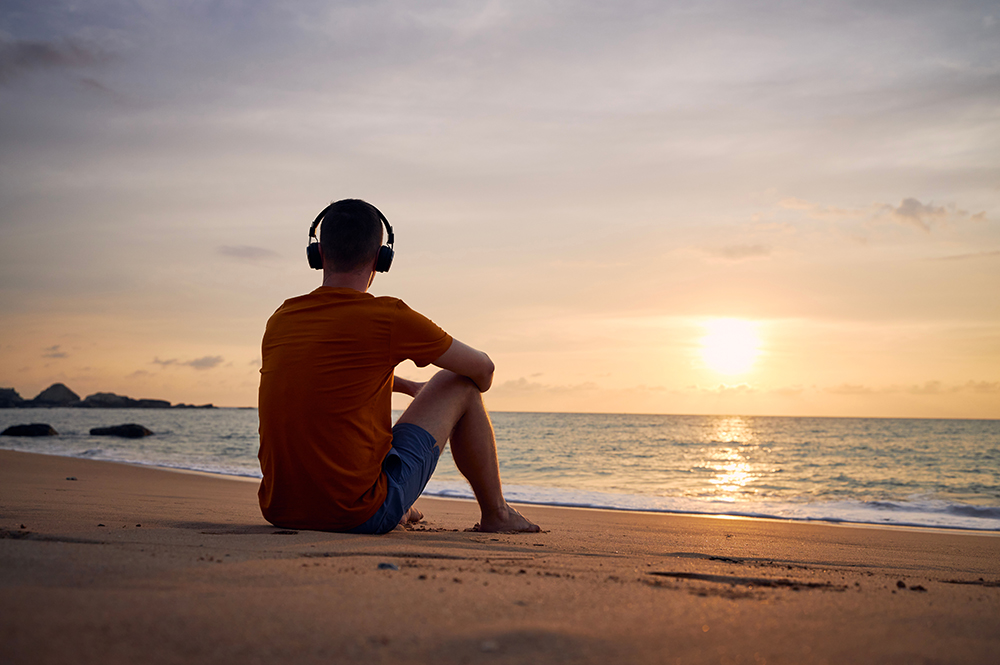 Inpatient rehab is not only for people in crisis. It is for anyone whose substance use has become difficult to manage and whose mental health needs require more than outpatient care can offer. Many people who enter inpatient treatment have already tried to manage on their own or through less intensive programs.
Adults who benefit most from inpatient rehab often share some common experiences:
- A history of relapse after outpatient treatment
- Co-occurring anxiety, depression, PTSD, or bipolar disorder
- A home or social environment that makes sobriety difficult to maintain
- Physical dependence that requires medically supervised detox
- Difficulty engaging in treatment while managing daily responsibilities
According to the Substance Abuse and Mental Health Services Administration, approximately 9.2 million adults in the United States had co-occurring mental health and substance use disorders in 2023. Inpatient rehab is often the most appropriate level of care for this population.
Signs You May Need Inpatient Rehab
Knowing when outpatient support is no longer enough is one of the most important steps a person can take. Some signs are clinical; others are more personal. Both matter.
Common signs that inpatient rehab may be the right level of care include:
- Substance use has continued despite serious consequences at work, in relationships, or with health
- Previous attempts at outpatient treatment have not led to lasting change
- Mental health symptoms are worsening alongside substance use
- There is a risk of withdrawal that requires medical supervision
- Daily functioning has become significantly impaired
- The home environment is unsafe or unsupportive of recovery
These signs do not reflect failure. They reflect the reality that addiction is a complex, chronic condition, and some people need a more intensive level of support to begin healing.
What to Expect During Inpatient Rehab at Crystal Lake Healing
At Crystal Lake Healing, inpatient rehab is built around the individual, not a generic program template. From the first call to the final day of treatment, every step is guided by clinical expertise and genuine care. The experienced treatment team brings both professional training and personal understanding to every client interaction.
Admissions and Assessment Process at Crystal Lake Healing
The admissions process begins with a comprehensive clinical assessment covering substance use history, mental health, medical needs, and personal goals. This information shapes the individualized treatment plan that guides care throughout the stay.
The process is designed to be straightforward and supportive. The goal is to help each person feel informed and ready, not overwhelmed, before they even arrive.
Daily Schedule and Structure in Inpatient Rehab
A typical day in inpatient rehab at Crystal Lake Healing includes individual therapy, group therapy, psychoeducation, and wellness activities. Structure is intentional because routine is one of the most powerful tools in early recovery.
Evenings often include peer support meetings, reflection time, or skill-building workshops. The schedule is full but not exhausting, and it is designed to help clients build the habits and rhythms that support long-term sobriety.
Evidence-Based Therapies and Treatment Modalities
Crystal Lake Healing uses therapies with strong clinical evidence behind them, including Cognitive Behavioral Therapy (CBT), Dialectical Behavior Therapy (DBT), and trauma-informed care. These approaches help clients understand the connection between their thoughts, emotions, and behaviors, and develop healthier ways of responding to stress and triggers.
For clients with co-occurring disorders, treatment is integrated, meaning mental health and substance use are addressed together rather than separately. Explore the full range of mental health treatment therapies and treatment modalities offered at Crystal Lake Healing.
The Role of Our Care Team and Peer Support
The care team at Crystal Lake Healing includes licensed therapists, psychiatrists, medical staff, and case managers who collaborate closely on each client’s treatment. No one person carries the full picture; care is coordinated and consistent.
Peer support is equally important. Being surrounded by others navigating similar challenges reduces shame, builds connection, and reinforces the understanding that recovery is possible.
How Inpatient Rehab in South Florida Supports Recovery and Mental Health
Inpatient rehab does more than help people stop using substances. It addresses the underlying conditions that often drive substance use in the first place, including trauma, anxiety, depression, and unresolved grief. This integrated approach is what makes inpatient rehab in South Florida especially effective for people with complex, co-occurring needs.
Treating Co-Occurring Disorders in Inpatient Rehab
Co-occurring disorders, also called dual diagnosis, require simultaneous treatment. Addressing only the addiction while leaving a mental health condition untreated significantly increases the risk of relapse. Research from the National Institute on Drug Abuse confirms that integrated treatment leads to better outcomes for both conditions.
At Crystal Lake Healing, dual diagnosis treatment is standard, not an add-on. Every client is screened for co-occurring conditions, and treatment plans are built to address the full clinical picture.
Building Coping Skills and Resilience for Long-Term Recovery
Recovery is not just about stopping substance use. It is about building a life that does not require it. Inpatient rehab provides the time and space to develop coping skills, emotional regulation strategies, and relapse prevention tools that clients can carry with them after discharge.
Skills like distress tolerance, mindfulness, and cognitive restructuring are practiced daily in a supported environment, so they become second nature before clients return to the outside world.
Family Involvement and Support Systems in Treatment
Addiction affects the entire family system, and healing often requires involving loved ones in the process. Crystal Lake Healing offers family therapy and education as part of the inpatient experience, helping to repair relationships and build a stronger support network for recovery.
Family involvement is not about assigning blame. It is about creating the conditions where everyone, including the person in treatment, can move forward with greater understanding and connection.
Why Choose Crystal Lake Healing for Inpatient Rehab in South Florida?

Crystal Lake Healing is a South Florida treatment center built on the principle that people deserve care that is both clinically rigorous and deeply human. The program is designed for adults with complex needs who are ready for a level of support that matches the seriousness of what they are facing.
What sets Crystal Lake Healing apart includes:
- Individualized treatment plans grounded in evidence-based practice
- Integrated dual diagnosis care for co-occurring mental health conditions
- A multidisciplinary care team with both clinical expertise and lived understanding
- A structured, therapeutic environment designed to support healing
- Continuity of care from inpatient through discharge planning and aftercare
South Florida offers a unique environment for recovery, with a strong treatment community, year-round access to outdoor wellness activities, and proximity to a network of continuing care resources. Crystal Lake Healing is positioned to take full advantage of everything this region offers.
Get Support for Addiction and Mental Health at Crystal Lake Healing
Taking the first step toward inpatient rehab is not easy, but it may be the most important decision a person ever makes. Crystal Lake Healing is here to make that step as clear and supported as possible. The admissions team is available to answer questions, explain the process, and help determine whether inpatient rehab in South Florida is the right fit. Recovery is not a straight line, but with the right level of care and a team that genuinely understands the journey, it is absolutely possible. Reach out to Crystal Lake Healing today to begin.
Frequently Asked Questions About Inpatient Rehab South Florida
Can Family Members Participate in Inpatient Rehab?
Yes. Crystal Lake Healing incorporates family therapy and educational sessions as part of the inpatient program. Family involvement is strongly encouraged because strong support systems are one of the most reliable predictors of long-term recovery success.
What Should I Pack for Inpatient Rehab in South Florida?
Clients are typically advised to bring comfortable clothing, personal hygiene items, any prescribed medications, and a form of identification. The admissions team at Crystal Lake Healing provides a detailed packing list during the intake process to ensure nothing important is missed.
How Is Progress Tracked During Inpatient Rehab?
Progress is monitored through regular clinical check-ins, updated assessments, and ongoing collaboration between the care team and the client. Treatment plans are adjusted as needed to reflect each person’s evolving needs and goals throughout their stay.
What Happens After I Complete Inpatient Rehab at Crystal Lake Healing?
Discharge planning begins early in the treatment process. Crystal Lake Healing works with each client to identify the appropriate next level of care—whether that is a partial hospitalization program, intensive outpatient, or ongoing outpatient therapy—to ensure continuity of support after inpatient treatment ends.
References:
Your path to recovery is waiting
and we’re here to help.
Our admissions specialists are available 24/7 to listen to your story and get you started with next steps.
Why call us?
Contact Crystal Lake Healing